Why Oily Skin Still Needs Hydration
2 min read
One of the most common misconceptions in skincare is that oily skin should avoid moisturiser.
In reality, all skin types require hydration and barrier support — including oily and acne-prone skin. Healthy skin is not about removing all oil. It is about supporting balance.
Understanding oil vs hydration
Oil and hydration are not the same thing. Oil refers to sebum produced naturally by the skin. Hydration refers to water content within the skin.
Skin can appear oily while still being dehydrated underneath. This is why many people experience skin that feels oily yet tight, shiny yet uncomfortable, or congested yet dehydrated.
What happens when skin becomes dehydrated
When skin lacks hydration and barrier support, it may begin to struggle regulating itself effectively. This can contribute to increased oil production, sensitivity, irritation, congestion, tightness, and overall imbalance.
In some cases, repeatedly stripping oily skin can worsen the cycle over time.
Why moisturising matters
A suitable moisturiser helps support hydration, barrier function, skin comfort, and overall resilience. The goal is not to make skin feel heavy or greasy — it is to support healthy skin function while maintaining balance.
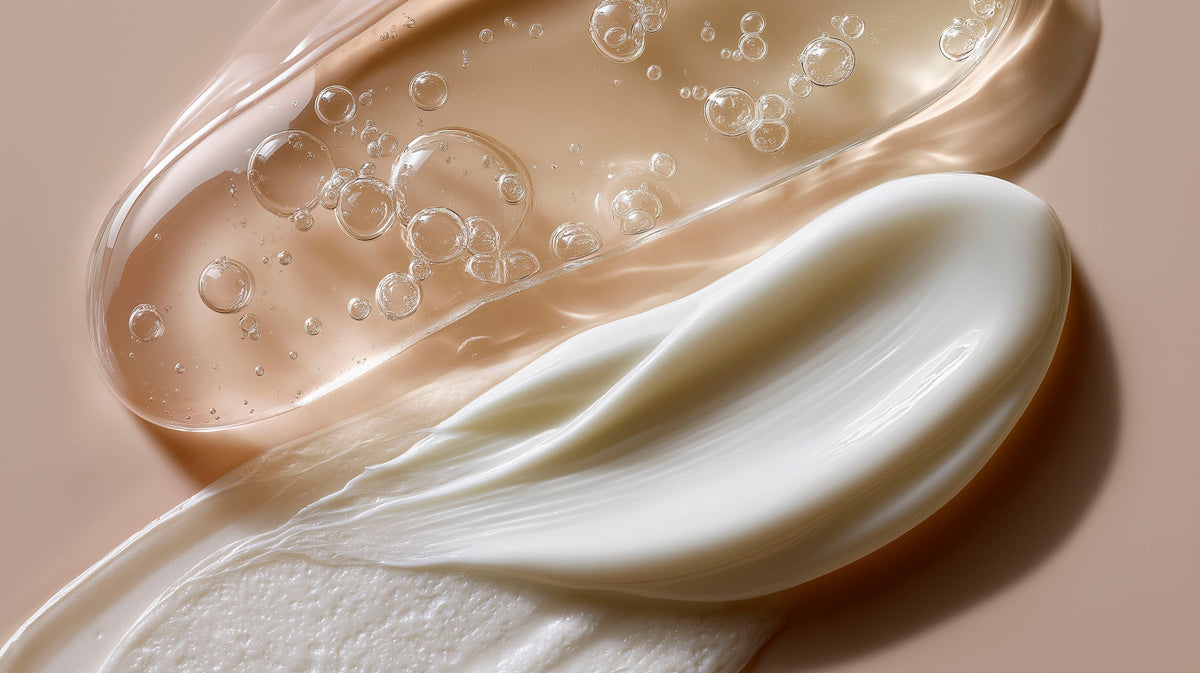
Different skin types may prefer different textures, from lightweight hydration through to richer barrier support.
A more considered approach
Healthy skin is rarely built through aggression. More often, it comes from consistency, balance and learning how to work with the skin rather than against it.
Skin that appears oily is not skin that needs less care. It is skin that needs the right kind.
The right kind of care for oily skin tends to be lighter in texture, not absent. The foundation remains the same: cleanse in a way that doesn't strip, rebalance, then observe. For days when the skin asks for more, the Hydrate Serum offers lightweight support without heaviness. When the barrier needs additional comfort, Barrier Restore can be added.
On the difference between surface oil and skin dehydration
Dry Skin vs Dehydrated Skin
The NUA Journal is a collection of observations gathered through years of caring for people's skin and helping them better understand it. The articles are intended for education and reflection, not as a substitute for personalised medical advice. If you have persistent, worsening or concerning skin symptoms, please speak with your GP, dermatologist or another qualified healthcare professional.