How Much Skincare Do I Actually Need?
If you've spent time and money on skincare that didn't quite deliver what you hoped for, that's a familiar experience. It doesn't mean your choices were wrong. It often means the routine wasn't quite the right fit — for your skin, your habits, or the way your life actually runs.
Skincare doesn't have to feel intense to feel supportive.
Where the idea of more came from
Longer routines have become aspirational in a way that's easy to absorb without noticing. Multi-step rituals, ingredient layering, the idea that calm-looking skin is the result of doing more — these ideas spread quickly and can make a simpler approach feel like it's missing something.
It isn't always.
Skin is often described as the body's largest organ and helps protect us. It responds constantly to routine, environment and daily life — from changing seasons and weather to heating, air conditioning, stress and everyday environmental exposure. Calm-looking skin doesn't automatically come from doing more. It often comes from doing less, more consistently.
Trends and personal fit
What works in one context doesn't always translate. Skin type, climate, lifestyle and existing habits all affect how a routine feels and performs. A routine designed around someone else's skin, in a different climate, for a different lifestyle, may not feel the same in practice.
That's not a failure of effort. It's a mismatch of fit.
Stronger doesn't automatically mean more supportive. More products don't automatically create better routines. Understanding how your skin responds tends to matter more than following what's currently recommended.
Skincare advice often teaches what to add before teaching what to notice. NUA helps readers notice.
Support before targeting
NUA is not anti-actives. Targeted skincare has a place.
But support tends to come before targeting. A foundation that feels comfortable and consistent makes future decisions easier — and more intentional. When skin feels settled, it becomes clearer what, if anything, it might benefit from next.
Starting simpler doesn't mean staying simple forever. It means creating a clearer place to decide what comes next.
Skin changes. Life changes. Routines evolve. Products that once felt supportive may feel different over time. That doesn't make previous choices wrong — it means skin is in a different place, and the routine can meet it there.
Cleanser and hydration tend to create a calmer place to begin — not because more is wrong, but because foundations often make future decisions easier.
If reading this feels familiar and you're wondering where to begin —
Start simpler than you think.
For many people, cleansing becomes the easiest place to begin because it fits naturally into routines that already exist. But cleansing tends to work best alongside hydration.
Even skin that feels oily, breakout-prone or congested still benefits from hydration.
If you'd like somewhere to begin, explore → Pure Gel Cleanse
Then choose one hydration step. Not all of them. One.
Choose the texture you'll naturally reach for.
If you prefer very lightweight hydration:
Explore → Rebalance Mist
Easy throughout the day. Handbag, desk, gym bag, heating, air conditioning, after sweating.
If you prefer lightweight hydration after cleansing:
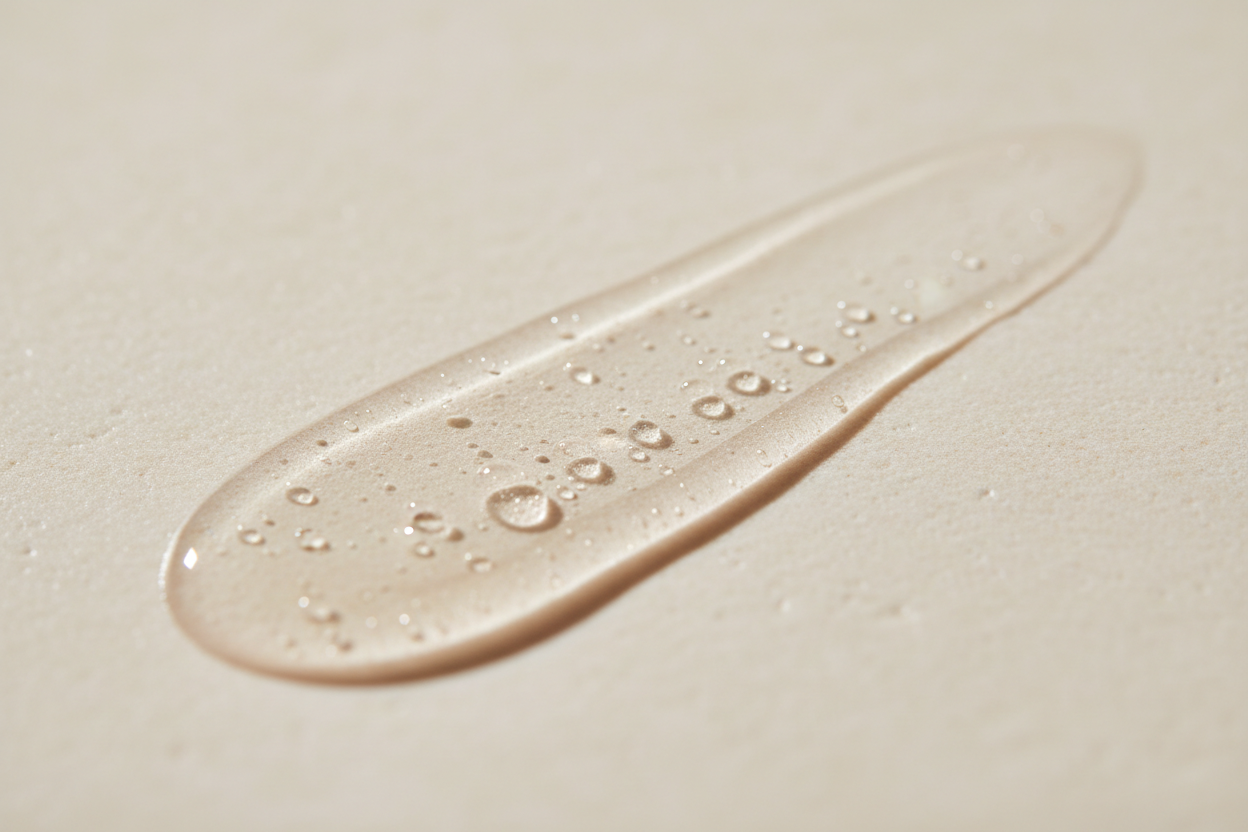
Explore → Hydrate Serum
A simple hydration step after cleansing.
If you prefer comfort and softness:
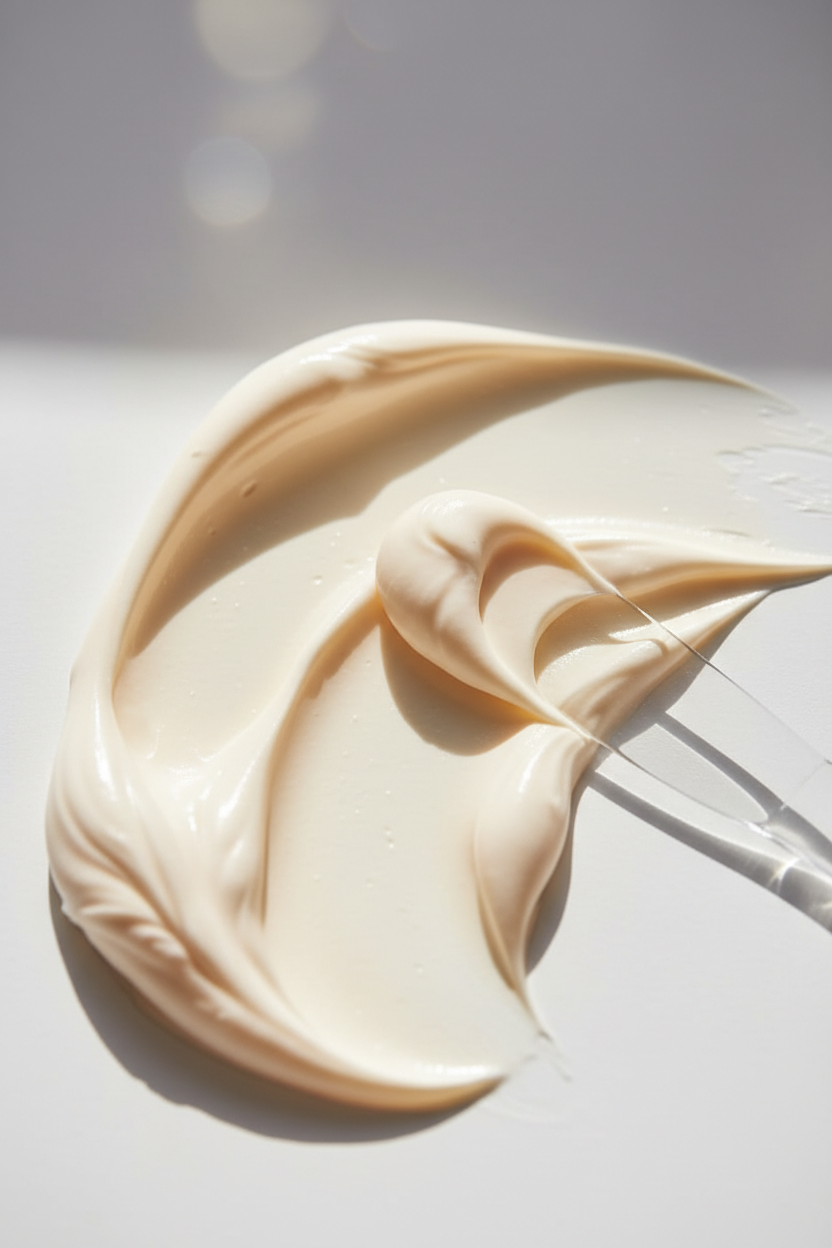
Explore → Barrier Restore
A familiar finishing step for people who enjoy more comfort.
The goal isn't collecting products. It's noticing what feels easy enough to return to.
Prefer keeping decisions simple? Explore The Essentials Ritual.
Skincare doesn't happen in perfect conditions. It happens in real life. Skin responds. Skin changes. Support can look like adding. Support can look like holding back. Understanding how your skin responds may matter more than how many steps your routine contains. Skin doesn't always reward intensity. Sometimes it rewards consistency. Start where your skin — and your habits — are willing to meet you.
If simpler feels like the right direction — the next question is usually where to begin. You might also enjoy exploring: Should I Fix My Skin First Or Support It First?

Written by Cassandra Munachen